During Apple’s 2021 World Wide Developer Conference, the tech company announced a plethora of new features that they would release across their multiple operating systems. This year, they focused on continuity, releasing features across IOS and MacOS which work in conjunction with each other. As an IOS user, this reaction will focus on the major changes made in IOS 15.

Apple launched a huge overhaul to facetime in an attempt to position it as a zoom competitor. The tech giant added features such as shareplay which allows you to make a facetime call while listening to music or watching TV with friends (so you can talk with your friends while watching something with them at the same time). Users can also share their screen. Apple is also integrating their spatial audio technology to try to separate the many voices in a facetime call to reflect peoples’ positioning on the screen. Additionally, Apple added a series of other facetime features such as grid view, portrait mode, voice isolation/background amplification modes, and facetime links that even work on android. While all of these features are welcome additions, Apple’s decision to only allow Android users to access links prevents the software from ever becoming a real Zoom competitor due to the fact that android users can’t even start facetimes. All of the other Apple announced facetime features simply mirror features already available in Zoom, making facetime the worse choice in most cases. Apple’s new sound and picture technologies are also excellent additions, but require a very specific set of Apple hardware to take advantage of such that they will never see widespread use because Apple devices will likely never gain a dominant market share of the smartphone market. (They sit at around 20% in the world market at the moment with a near 50% share in the United States market over recent years.)
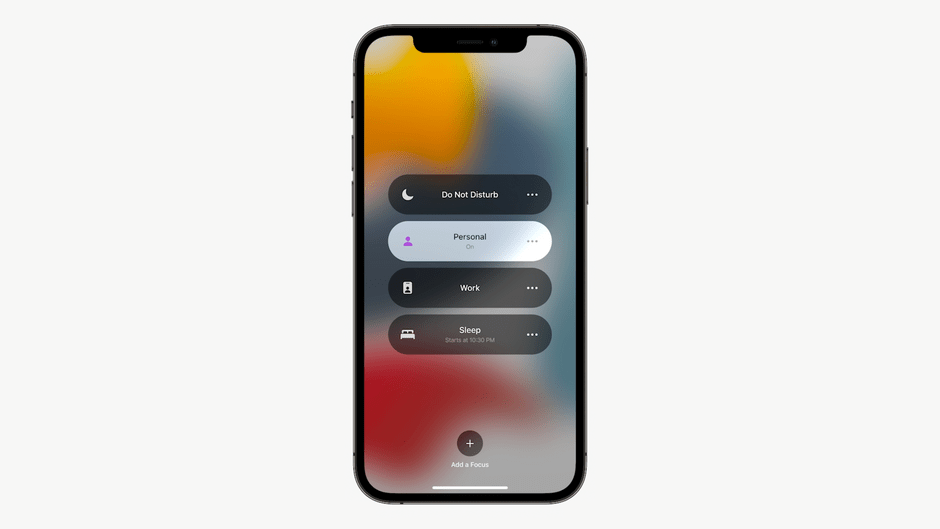
Apple also released a set of personalized Do Not Disturb profiles called Focus. These profiles will allow users to allow notifications from certain apps or contacts based on the Focus Profile. This feature will enable users to filter notifications so that they only see the alerts relevant to what they are doing. For example, a user could set a profile in which they only receive messages from their colleagues while at work, allowing them to focus on the task at hand without getting sidetracked. Although I have no personal use for this feature, if implemented correctly at release, personalized Do Not Disturb profiles could prove to be a very successful productivity tool for keeping those doing work away from distractions on their phones. Apple also announced a new Notification Summary for notifications that do not need to be responded to in a timely manner. This feature will collect news notifications, game notifications, and others into a single grouped notification using “on device intelligence.” Although I hope the notification summary is a success as it would be a welcome feature for many users, there is a possibility that Apple’s “on device intelligence” (basically a fancy word for activity-tracking AI) may fail to supply the correct notifications as “time critical,” meaning that urgent notifications could be grouped in the notification summary by mistake. Rather than using Apple’s version of AI, notification summaries should be made up of notifications from selected apps, giving users more customization over which notifications get priority over the others.
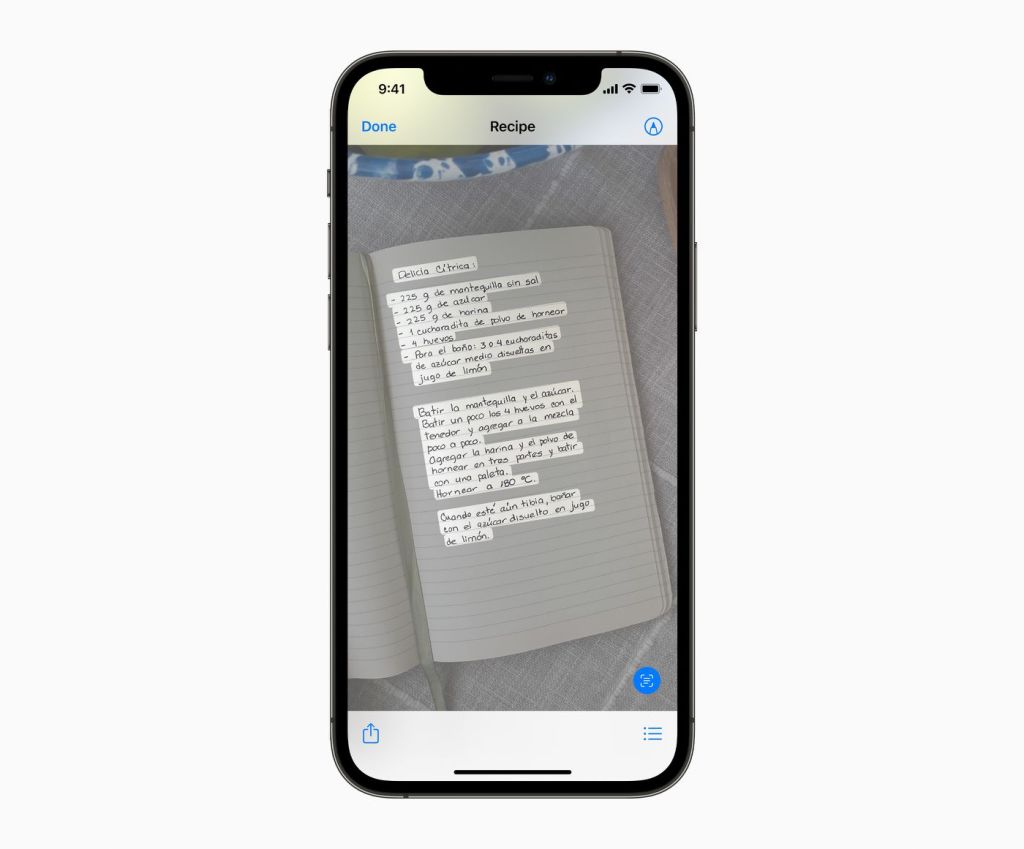
Apple also launched a new feature which uses “on device intelligence” to “recognize text in a photo and allow users to take action.” Apple uses the example of users being able to “search for and locate the picture of a handwritten family recipe, or capture a phone number from a storefront with the option to place a call,” but these are unlikely applications for this feature. The feature will likely be used to copy text from a written document, but Apple’s demos made it unclear how well the formatting of the document will be preserved. Apple is also using “the power of the Apple Neural Engine” (an AI accelerator chip) to allow users “to search photos by location, people, scenes, or objects, and using Live Text” with enhanced entertainment search results and contact search results. Although Apple uses fancy marketing to exaggerate the usage and technological impact of many of these features, they are still welcome additions to IOS 15. These small, under the hood tweaks will improve IOS user experience in minor, but noticeable ways.
Sources:
 The Overclock